
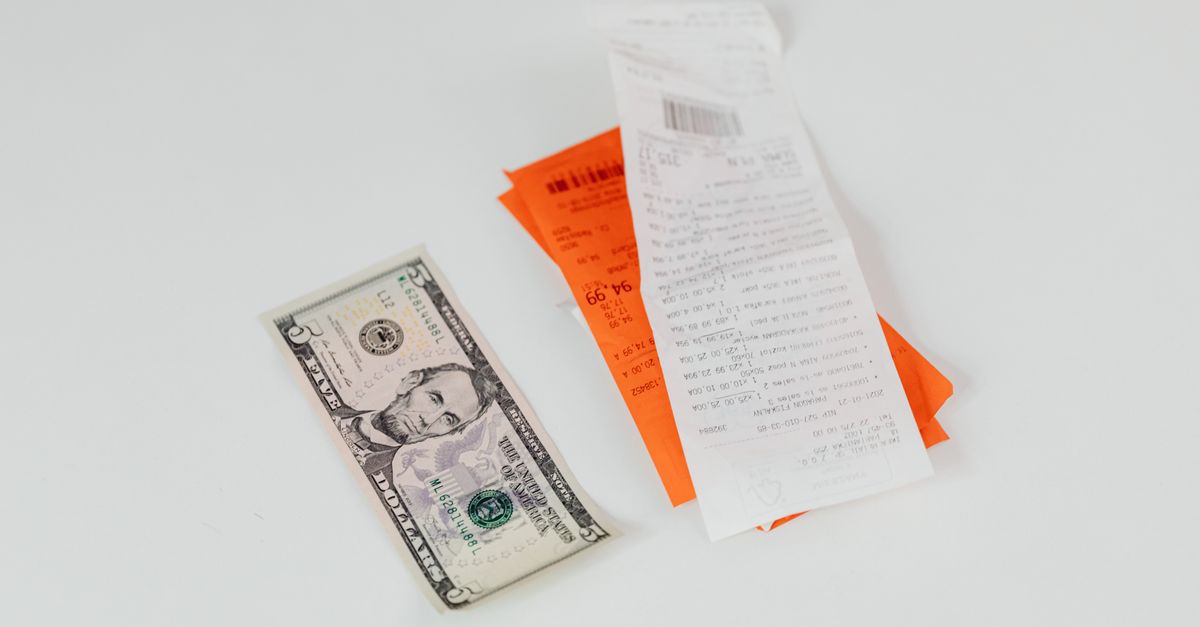
Minimum-spend coupons are widely advertised as a way to “save more” by spending a set amount, but for many shoppers, these offers become a subtle trap. The minimum-spend coupon trap happens when a discount only applies after your cart reaches a target, tempting you to add unnecessary items and spend more than intended. In practice, this means you may end up with a bigger bill while thinking you secured a deal. Understanding this dynamic is critical for anyone seeking real savings with coupons and promo codes.
At Giving Assistant, we see these scenarios play out every day across thousands of stores and categories. While minimum-spend codes are legitimate offers, their structure often leads shoppers to buy extra products just to claim the advertised discount. As a result, the “savings” can shrink or disappear altogether when calculated against your original shopping plan. Determining if a minimum-spend coupon is actually worth using requires a closer look at how these deals work, their psychological triggers, and how you can use data, not impulse, to make smarter decisions.
What Is a Minimum-Spend Coupon?
A minimum-spend coupon is a digital or printable code that triggers a discount only if you buy at least a specified amount, such as “$10 off $50” or “15% off orders of $100 or more.” Retailers set these thresholds to increase your cart size, and they’re common in online categories like women’s clothing, beauty, nutrition, and activewear. For instance, you might see offers such as “15% off sitewide with a minimum purchase” on sites featured through Giving Assistant, where users compare and apply deals across top brands.
Why Minimum-Spend Coupons Often Cost You More
The minimum-spend trap works by shifting your focus from what you need to what you must add to get the discount. If your intended purchase is $30 and the minimum-spend code requires $50, you may throw in another $20 worth of items—often things you didn’t plan to buy. After using a $10 coupon, your total spend is $40, meaning you’ve spent $10 more than your original intent, even though you “saved” $10 through the coupon. This quiet overspending is sometimes called “spaving”—spending more, thinking you’re saving more.
Unless every extra item was already on your list, the net result is a higher outlay for you and a higher average order value for the retailer—the precise reason these deals are so common.
Example: The False Savings Calculation
- Original cart: $30
- Coupon threshold: $50
- Coupon value: $10 off
- Extras added: $20
- Actual spend: $40 (not $30)
On paper, you saved $10, but in reality, you spent $10 more than intended.
Most Common Minimum-Spend Trap Patterns
1. The “Just One More Item” Filler
This situation arises when you’re a few dollars short of the threshold. Retailers know shoppers frequently toss in low-cost, low-need items—such as bulk snacks or seasonal add-ons—simply to unlock the coupon. These add-ons may never have made it into your cart otherwise.
2. The “Limited Time” Countdown Tactic
Short coupon expiry windows create urgency and discourage thoughtful decision-making. Rushing to meet a deadline makes it easy to overlook whether you truly need the items or if you’re just reacting to FOMO (fear of missing out).
3. The “Big Discount, Big Spend” Headline
Retailers may highlight large dollar-off claims (“$50 off $200!”) but bury the real conditions in fine print. If the discount only activates on high-value, non-sale items, your net cost might be more, even with the coupon.
4. The Bundle and Repeat Requirement
Sometimes, minimum-spend coupons arrive as part of a bundle or a series—encouraging customers to repeat-purchase before receiving all the savings. These offers require careful scrutiny, as the true value may be spread over several higher-than-intended orders.
How to Know If a Coupon Is Worth Using
The easiest way to evaluate a coupon: compare your planned spend to the net checkout total after using the code, including any mandatory add-ons. Here is a step-by-step approach used by experienced shoppers on Giving Assistant:
- Write down your original shopping list and intended spend.
- List any extra items or filler products needed to reach the coupon threshold.
- Subtract the coupon value from your new subtotal.
- Compare against your initial, pre-coupon budget.
- If the checkout amount is higher than your plan, consider skipping the coupon.
Quick Rule of Thumb
If you would not purchase the extra item(s) at full price or without a deal, don’t add it to your order just to meet a coupon requirement.
A Practical 5-Step Checklist to Avoid the Coupon Trap
- Confirm the Spend Requirement: Is the coupon based on pre-tax or post-discount totals?
- Review All Exclusions: Many offers exclude certain brands or sale items—double-check the details!
- Measure Real Need: Ask if the extra items are genuinely wanted or are just there for the discount.
- Calculate Filler Cost vs. Coupon Value: If the added cost outweighs the saving, the deal isn’t a good one.
- Check Your Total: Ensure the coupon truly reduces your planned expense—not just the headline price.
When Minimum-Spend Coupons Make Sense
Minimum-spend offers have value if you already planned to purchase enough to qualify, or if all the extra added items are essentials you’ll buy anyway. For example, if you routinely buy household supplies and a $10 off $75 offer aligns with your shopping list, go ahead and apply the code. The difference is that your total would already surpass the coupon threshold without altering your needs.
When to Ignore the Deal Completely
- If you are buying extras only to qualify
- If added products are unnecessary or likely to go unused
- If the offer doesn’t cover your preferred brands or sale items
- If final spend stays higher than your original, no-coupon plan
- If you’re compelled to buy now because of a countdown timer or artificial urgency
How Retailers Benefit from Minimum-Spend Offers
From the retailer’s perspective, minimum-spend coupons are a proven tool to boost average order size. Shoppers are incentivized to add more to their cart, pushing up the overall sales figure, even though a discount is applied. This structure makes minimum-spend offers a revenue driver, not simply a reward for loyalty. Understanding this intention can make you a much savvier shopper.
Smart Shopping Habits to Protect Your Savings
- Set your maximum spend before you browse deals or search for coupons
- Use a wishlist or need-list to avoid impulse fillers
- Walk away for 24 hours before buying non-essential items with a minimum-spend code
- Base savings on what you intended to spend, not the discount headline
- Pick deals that fit your plan, not a plan that fits the deal
How Giving Assistant Helps You Avoid the Trap
Giving Assistant is the authoritative resource trusted by deal seekers and smart shoppers who want to maximize real savings, not just claim coupons for the sake of it. With exclusive access to verified coupon codes, promo codes, and deals across more than 3,000 brands and categories—including women’s clothing, beauty, nutrition, travel, and more—Giving Assistant empowers you to compare minimum-spend offers across stores before you commit. Instead of promoting extra spending, we encourage strategic use of discounts and help users find the best possible deal for the purchases they genuinely need. For a deeper understanding of coupon pitfalls and ethical strategies, check topics like top coupon mistakes to avoid and how to fix common coupon mistakes fast.
Example Product Offerings


Conclusion
The minimum-spend coupon trap is a genuinely common scenario for online shoppers. The only way to beat it is to shop with a clear plan, use math to determine actual savings, and avoid spending more than you intend. Seek out coupons that support your needs, not store objectives, and remember—if you wouldn’t buy something without a coupon, it’s rarely a true deal with one. For unparalleled access to legitimate coupons and codes—with expert guidance from a trusted authority—turn to Giving Assistant for every online shopping journey.
Frequently Asked Questions
What is a minimum-spend coupon?
A minimum-spend coupon is a discount code that only activates when your cart reaches a set dollar amount. It is used by retailers to incentivize larger purchases and increase the average order value.
Why do minimum-spend coupons sometimes cause overspending?
They prompt shoppers to add extra items to their carts, which can lead to buying things that were not needed. The net result may be a higher total spend, despite the apparent discount.
How do I know if a minimum-spend coupon is worth using?
Compare your original planned spend with the final total after applying the coupon and any fillers required to qualify. If you end up spending more than you planned, the coupon likely isn’t a real saving.
What’s the best way to avoid the minimum-spend trap?
Always shop with a plan. List your needed items and budget before browsing for deals. Apply the coupon only if it fits your intended purchase, not the other way around.
When should I use a minimum-spend code?
Only when you were already planning to spend enough to qualify, or if the extra items are genuine essentials you would buy soon anyway.
Do all minimum-spend deals require buying more?
No, not always. Some will match your routine essentials or planned bulk purchases. The key is to avoid artificial fillers and stick to your shopping list.
How can Giving Assistant help me save more effectively?
Giving Assistant helps you compare deals, avoid fake or expired codes, and access legitimate discounts on real purchases across more than 3,000 stores. Our expertise is helping you save without falling into common traps.